AI Search Optimization: Why Being Mentioned Isn't Enough Anymore
If your brand shows up in a ChatGPT answer or a Google AI Overview, it's easy to feel like you've cracked AI SEO. You haven't. Getting mentioned is just the opening move.
The real question is whether AI systems can actually read your website properly, understand what your content means, and eventually take action on it. Most businesses are only solving the first part of that puzzle, and a recent audit of 50 major websites across retail, SaaS, travel, publishing, and finance proves it.
Here's what the data shows, and what it means for anyone trying to stay visible as AI search takes over more of the buyer journey.
AI Visibility Happens in Three Layers
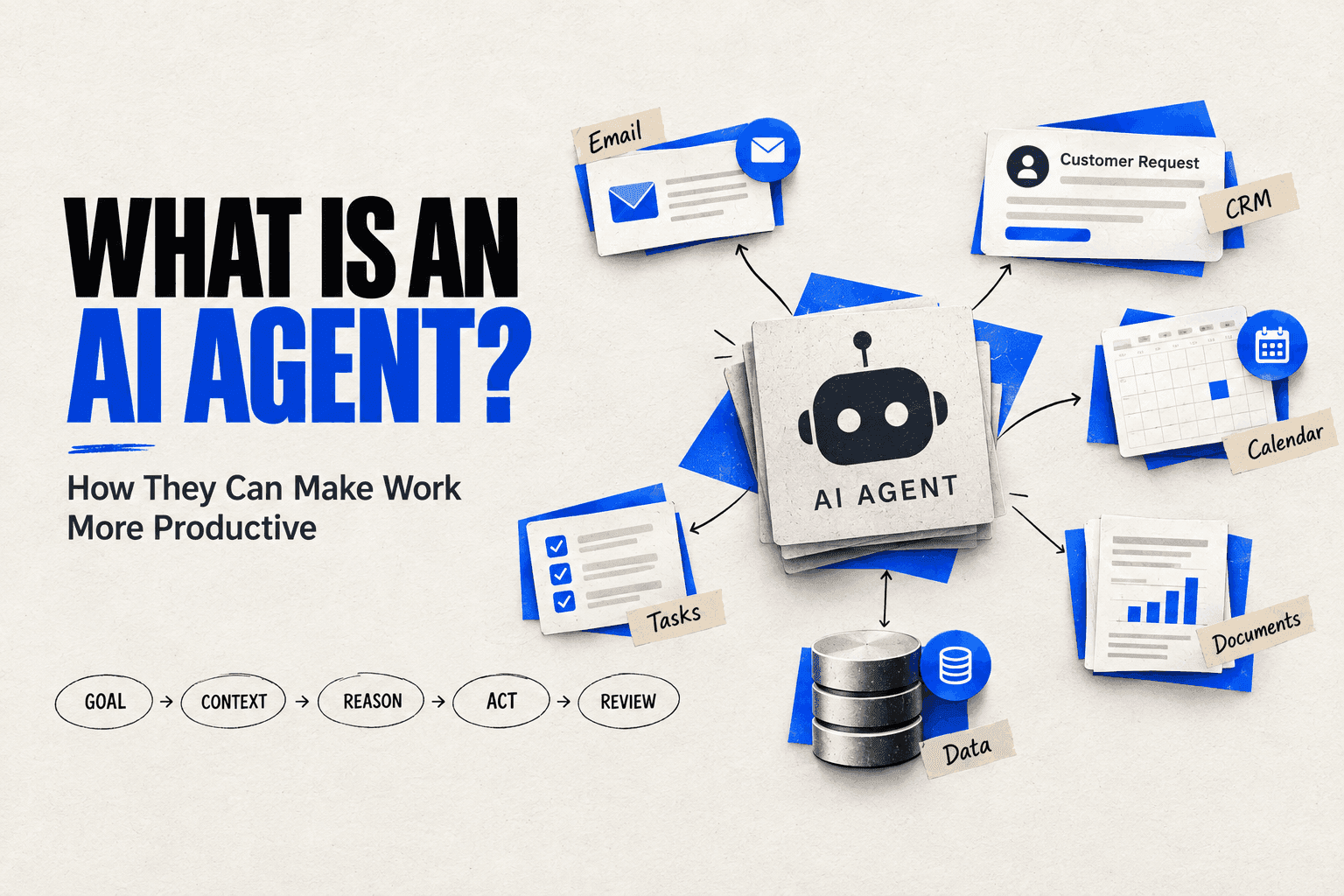
Think of it like a conversation. First, AI has to find you. Then it has to understand you. Finally, in more advanced cases, it needs to be able to interact with you, like booking something or checking live pricing.
These three stages are usually described as:
- Retrievability - Can AI access and read your content without hitting roadblocks?
- Attribution and Meaning - Can AI correctly interpret what your content actually represents?
- Agent Transaction and Discovery - Can AI agents securely perform actions on your website?
Most companies are doing fine on step one. Almost everyone is falling behind on steps two and three.
Layer 1: Retrievability (The Easy Part)
This is basically classic technical SEO with an AI twist. It covers things like:
- Clean, server-rendered HTML
- Semantic structure and proper document hierarchy
- ARIA labels and accessibility basics
- Sitemaps and crawler-friendly forms
- AI-specific directives in robots.txt
The audit found the average score here was a healthy 74.4%. Not surprising. Most of these practices overlap with standard technical SEO and accessibility work that's been around for years, so websites that already do this well have a head start.
But being readable doesn't mean being understood correctly. That's where things fall apart.
Layer 2: Attribution and Meaning (The Real Gap)
Here's where the average score dropped hard, to just 38.5%.
This layer is about whether AI can tell the difference between, say, a product price and a discount price, or figure out which "Jaguar" is being discussed (the car, the animal, or the football club). Without clear signals, AI has to guess, and guessing leads to mistakes that misrepresent a brand's products, pricing, or claims.
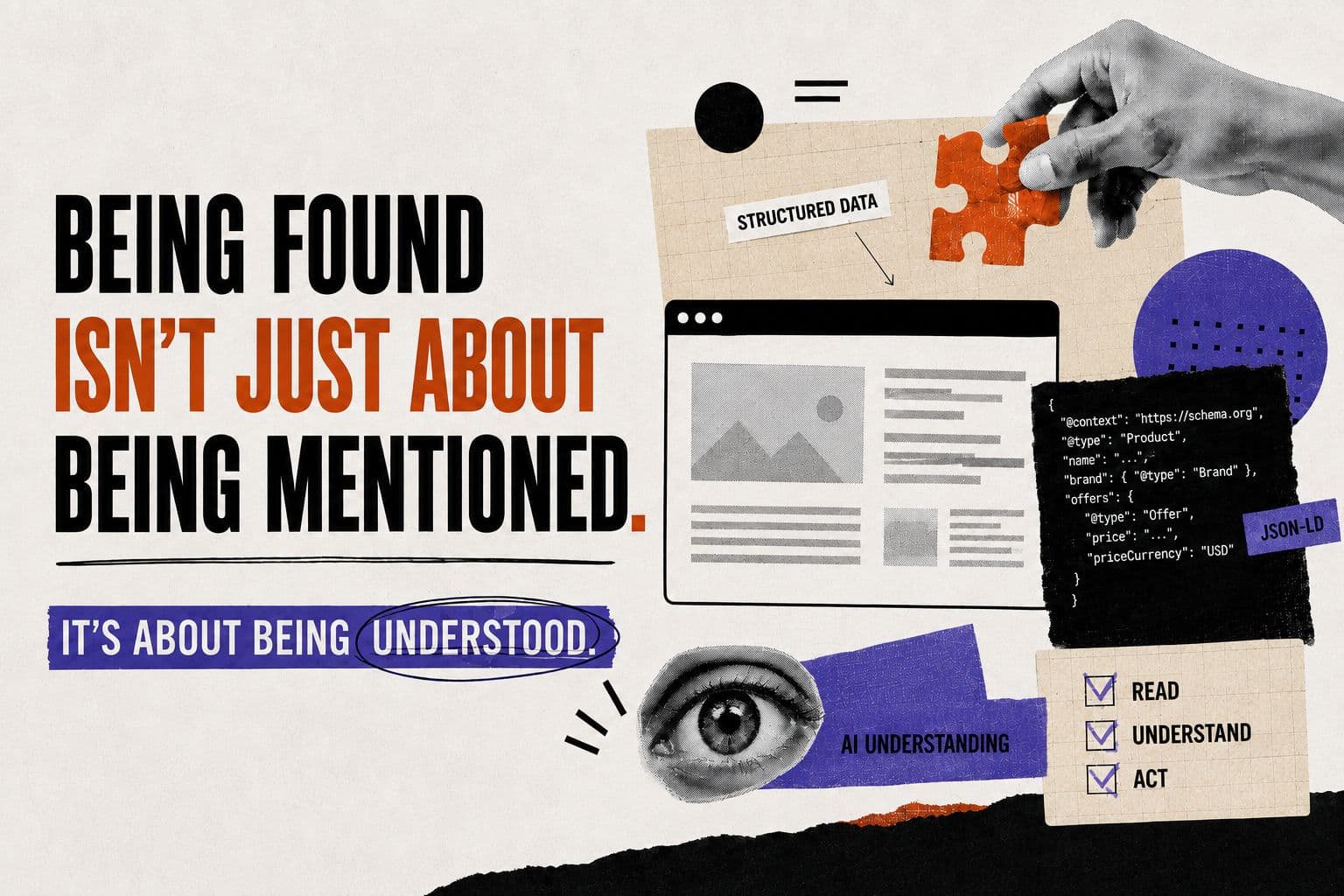
Structured data (JSON-LD) is the fix here. It tells search engines and AI models exactly what they're looking at, whether it's an organization, a product, an author, or a review. The audit found that 70% of websites had some structured data on their homepage, which sounds decent until you realize that means nearly a third have none at all.
Content signal policies are even rarer. Only 5 out of 50 sites had implemented anything like Cloudflare's Content Signals Policy, a tool that lets sites specify exactly how AI crawlers can use their content, whether for search, for answering questions, or for training models.
This is a significant missed opportunity. Instead of a blunt "block everything" or "allow everything" approach, businesses can make deliberate, granular decisions about which AI systems get access to what.
Layer 3: Agent Transactions (Almost Nobody Is Ready)
This is the layer that separates today's websites from tomorrow's. The average score here was a startling 2.1%.
Agentic browsing, where an AI assistant doesn't just answer a question but actually completes a task like a purchase or a booking, is still in its early days. Out of 13 relevant protocols examined, only two (OAuth authorization server discovery and protected resource metadata) had reached any meaningful level of adoption. Most sites tested scored zero.
This won't stay true for long. The rise of the Model Context Protocol (MCP) and emerging agentic commerce standards suggest AI agents will increasingly query business systems directly instead of scraping pages for information. Sites that rely on transactions, bookings, or customer accounts may need to start planning for this shift well before it becomes mainstream.
Blocking AI Isn't Always the Wrong Move
Here's something worth remembering: a low AI-readiness score isn't automatically bad news.
Publishers who depend on direct site visits, or ecommerce brands protecting pricing strategy, may have valid reasons to limit AI access. The real issue isn't whether a site allows or blocks AI crawlers. It's whether that decision is intentional.
The audit found that 29 of 50 websites had no explicit rules either way, meaning AI access was left entirely to default behavior. That's not a strategy. That's an accident waiting to happen.
What About llms.txt?
You may have heard about llms.txt, a newer file format meant to give AI systems a curated summary of what a site is about. It's an interesting idea, but it's still an unratified, emerging standard. Only 11 of 50 sites in the audit had adopted it, and simply having the file doesn't guarantee better visibility. It's worth treating as a nice-to-have, not a silver bullet.
Signals Are Not Guarantees
One important caveat runs through all of this: none of these technical signals are enforceable rules.
AI-related directives in robots.txt are preference statements, not hard technical barriers. Major AI crawlers generally respect them, but compliance isn't universal. The same is true for content signal policies and llms.txt. That means AI readiness has to be approached as a combination of multiple overlapping signals, not a single checkbox that solves everything.
What This Means Going Forward
The bigger picture here is that AI visibility is turning into an architecture problem, not just a content problem.
A brand can get cited by AI systems and still run into trouble if those systems misread its products, confuse its entities, or pull outdated information. Being mentioned is no longer the finish line.
The direction is clear: Read, Understand, Act. Websites that only nail the first step are going to look increasingly outdated as AI agents get better at doing more on users' behalf. The organizations that get ahead of this now, tightening up structured data, clarifying entity relationships, and preparing for agent-based interactions, will have a real edge in shaping how AI systems represent them.
FAQs
What is AI visibility in SEO?
AI visibility refers to how well AI systems like ChatGPT, Google AI Overviews, or Perplexity can find, understand, and accurately represent a website's content in their responses.
Is structured data still important for AI search?
Yes. JSON-LD structured data helps AI systems correctly interpret entities like products, prices, authors, and organizations, reducing the risk of misinterpretation.
What is llms.txt used for?
llms.txt is an emerging, unofficial standard designed to give AI systems a curated overview of a website's structure and content. It's a helpful addition, but not a replacement for core technical SEO.
Should every business allow AI crawlers?
Not necessarily. The right approach depends on the business model. What matters most is making a deliberate, informed decision rather than leaving it to default settings.
What is agentic commerce?
Agentic commerce refers to AI agents completing tasks like purchases or bookings directly on behalf of users, rather than simply returning information for a person to act on manually.
Conclusion
Citations and mentions used to be the finish line for AI visibility. Not anymore. As this audit shows, most websites have technical SEO covered, but far fewer have the structured data, content policies, or agent-readiness needed to be truly understood and used by AI systems.
The gap between retrievability and deeper AI readiness is only going to matter more as AI agents take on tasks that go beyond simple search. Brands that treat AI optimization as an extension of their technical foundation, not a separate checklist, will be the ones AI systems trust, cite accurately, and eventually transact with.
For businesses looking to close that gap, working with a team that understands both technical SEO and this emerging layer of AI readiness, like WebMaffia, can make the difference between being mentioned and being truly visible.
following blog articles.