Google Discover Could Be Heading for a Major AI-Driven Transformation
Google Discover has long been a quiet traffic source for publishers and brands. Now a Google job listing hints that it could become something much bigger. For anyone invested in organic content visibility, the wording deserves a closer look, even though it is not a product announcement.
What the Potential Google Discover Changes Mean
The source of this discussion is a job posting for a Principal UX Lead for Discover, reported by Search Engine Journal. The listing describes a proactive, highly personalised experience that helps users make progress towards their goals. It also refers to redefining feed interactions, content formats and AI-driven exploration.
Here is the key distinction. A job posting shows what a team is thinking about. It does not confirm a launch, a timeline or an algorithm update. Treat everything below as informed interpretation of Google's possible direction, not settled fact.
Google Discover Could Evolve Into an AI-Powered Concierge
Today, Discover works as a recommendation feed. It surfaces articles, videos and stories based on a person's interests and behaviour, often before they search for anything.
The "concierge" language suggests a different model. Instead of showing a list of content, Discover could try to understand what a user is working towards and point them to relevant information, products, services or next steps.
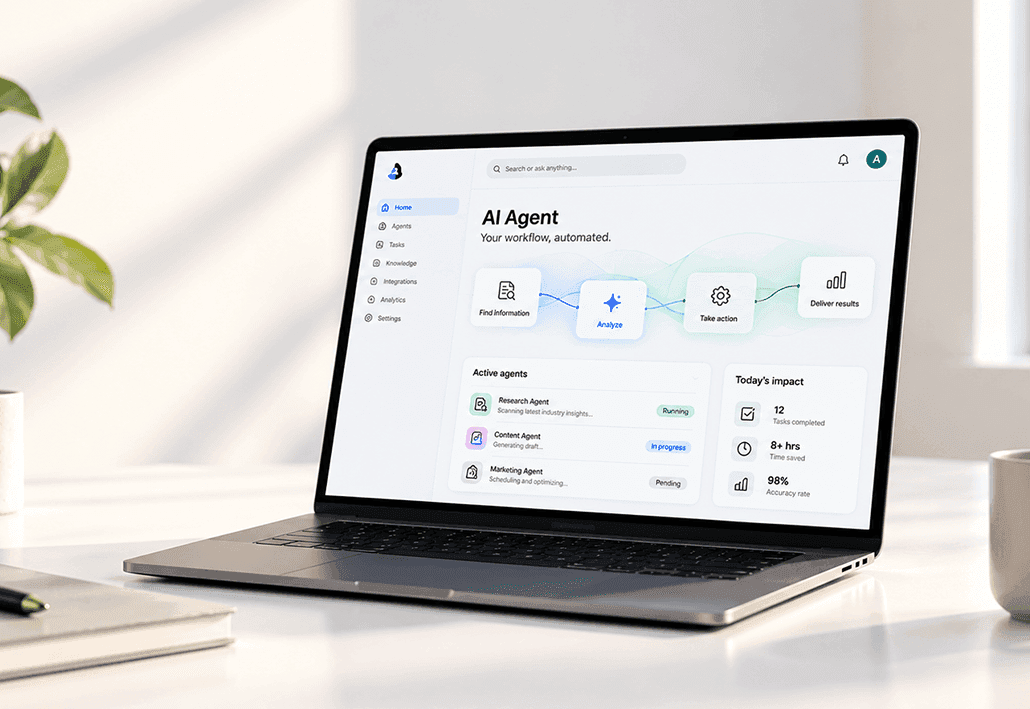
This links to the idea of agentic search: AI that helps users complete tasks rather than just find information. Discover does not operate this way today. But the wording suggests Google may be exploring how its content discovery experiences could move in that direction, which would reshape the wider Google Search ecosystem.
More Interactive, Personalised and AI-Driven Content Discovery
If Discover becomes more interactive, users may engage with the feed in new ways, such as exploring a topic in more depth or refining what they see through direct input, rather than simply scrolling and tapping.
Deeper AI personalisation would likely depend on the same fundamentals that matter today: relevance, usefulness and a good user experience. A smarter content recommendation engine still needs strong content to recommend.
For businesses, the practical point is that audience understanding becomes more valuable. Content built around clear user intent is better placed to fit any personalised search experience, however it evolves.
New Content Formats and the Role of Human Creators
The posting mentions scaling AI-enabled formats, creating new engagement mechanisms and elevating human voices and perspectives. Google has not detailed what these formats will look like, so specifics remain unknown.
The emphasis on human perspectives is worth noting. As AI-generated material becomes easier to produce, original reporting, first-hand expertise and distinctive opinions may stand out more. That does not mean AI-assisted content is penalised. It means content with nothing original to add is harder to differentiate.
This is also where authentic creator voices matter. Brands exploring influencer marketing services may find that credible, creator-led perspectives complement their owned content, particularly if platforms continue to prioritise genuine voices.
Deeper Integration Across Google's Ecosystem
The job description mentions collaboration with YouTube, Shopping, Chrome and Android. It does not explain how, so the exact implementation is uncertain.
In principle, closer integration could connect content discovery with related activities. A user interested in a topic might move between articles, videos and product information with less friction. That could create a more connected experience across the Google Search ecosystem.
For marketers, this suggests that content may increasingly be assessed within a broader picture of user interests, not as isolated pages. A coherent digital strategy that links articles, video, product content and mobile experience may be better prepared for that shift.
Why Google Discover May Focus More on Younger Audiences
The posting highlights experience with youth demographics and competitive content ecosystems. This is a general signal, not a statement about specific age groups or features.
A reasonable reading is that Google wants Discover to hold attention in a landscape where social and video platforms compete fiercely for time. Engagement, retention and relevance matter in that context. Younger audiences often expect content that feels personal, visual and interactive.
For publishers, the takeaway is not to chase a demographic. It is to recognise that audience expectations are changing and that content discovery platforms are competing to meet them. Building audience relationships beyond Google, including through a considered social media marketing strategy, reduces exposure to any single platform's changes.
What These Changes Could Mean for SEO and Content Marketing
If Discover becomes more goal-oriented, success may depend on more than appearing in a feed. Several implications are worth considering:
- Relevance over volume. Content that serves a clear audience need is likely to matter more than sheer output.
- Original insight. Distinctive analysis and first-hand experience help content stand out.
- Brand credibility. Trust may influence whether users act on what they find.
- Useful next steps. If users are guided towards goals, content that helps them take action could be more valuable than content that simply informs.
- Platform dependence. Google Discover traffic can be volatile, so relying on it alone is risky.
Strong SEO services have always focused on helping the right audience find genuinely useful content. That principle holds, whatever form Discover takes.
How Businesses and Publishers Can Prepare for Google Discover's Evolution
Do not overreact to an unconfirmed direction. Strengthen the fundamentals instead.
- Publish original, useful content. Address identifiable audience interests. Content with a clear purpose is easier for both people and recommendation systems to interpret.
- Show experience and expertise. Use credible authorship, first-hand insights and distinctive perspectives. This supports trust, which matters regardless of algorithm changes.
- Build topical depth without repetition. Cover subjects thoroughly, but avoid near-duplicate articles that add little. A focused content marketing strategy helps maintain quality at scale.
- Polish the presentation. Clear headlines, compelling images and readable layouts help content earn attention. A fast, mobile-friendly site matters here, and professional website design and development services can help remove friction.
- Monitor Discover performance. Use Search Console where Discover reporting is available to understand how your content appears.
- Measure beyond clicks. Look at impressions, clicks, click-through rate, engaged visits and conversions together. High traffic with weak engagement tells an incomplete story.
- Diversify your audience. Email, social, search and direct relationships reduce reliance on one source.
- Review and update thoughtfully. Refresh content when there is a meaningful reason, such as new information, not just to change a date.
None of these steps guarantees Discover inclusion or traffic. They are sound practice that stays useful as search and discovery evolve.
Key Takeaways
- Google Discover may evolve towards a more proactive, personalised experience, based on signals in a job posting rather than a confirmed launch.
- AI could influence feed interactions and content formats, though specifics are unknown.
- Ecosystem integration with YouTube, Shopping, Chrome and Android may create new discovery opportunities.
- Original, useful, audience-focused content remains a sensible priority.
- Businesses should monitor developments and avoid premature SEO changes.
Conclusion: Prepare for the Next Phase of Google Discover
The most useful response to this news is steady preparation, not alarm. Understand your audience, invest in original and credible content, measure performance with care and build visibility across more than one channel. Those habits will serve you whether Discover becomes a concierge, stays a feed or changes in ways nobody has predicted.
At WebMaffia, we help businesses strengthen SEO, shape effective content strategies, improve digital visibility and adapt to evolving search experiences. If you want a clear plan for the AI-driven future of search, contact WebMaffia to start the conversation.
following blog articles.